Scarlet fever - Symptoms and causes
What is Scarlet Fever?

Scarlet fever is an infection caused by Group A Streptococcus bacteria, primarily affecting children aged 5 to 15 years. Patients typically exhibit a red rash over most of the body, along with high fever and sore throat. Without proper treatment, scarlet fever can lead to serious complications affecting the heart, kidneys, and other organs.
Causes of Scarlet Fever
The Group A Streptococcus bacteria produce toxins that irritate the skin and immune system, leading to the characteristic red rash and other symptoms.
How Scarlet Fever Spreads
Scarlet fever is highly contagious and can spread through respiratory droplets when an infected person coughs or sneezes, or through direct contact, such as sharing personal items.
Symptoms of Scarlet Fever
Red Rash All Over the Body
The rash usually appears within 24-48 hours after the fever begins, starting on the stomach, chest, and neck, then spreading to the rest of the body. It feels like sandpaper to the touch and is more noticeable in areas like the elbows and armpits.
Sunburn-Like Red Cheeks
Although the rash typically does not affect the face, the cheeks often become bright red, resembling sunburn, with a pale area around the mouth.
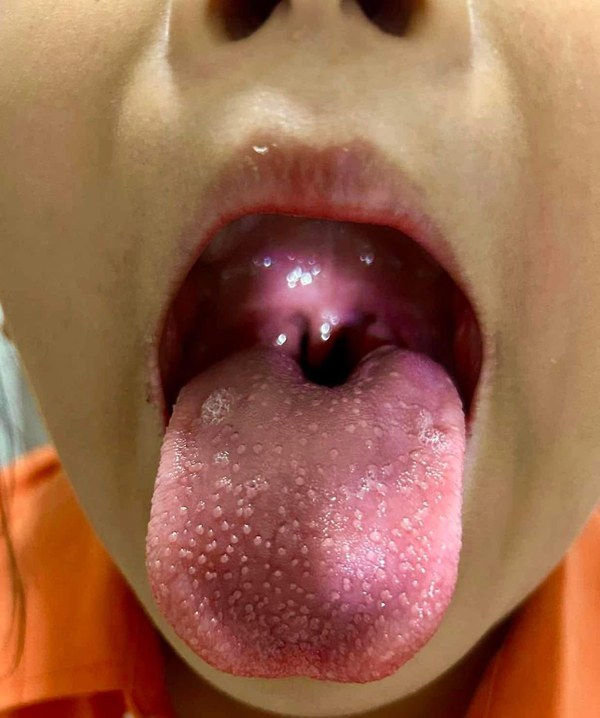
Strawberry Tongue
The tongue appears red with a bumpy texture, similar to a strawberry, and may have a white coating in the early stages.
Diagnosis of Scarlet Fever
Scarlet fever can primarily be diagnosed through medical history and clinical symptoms. Additional diagnostic tests include:
- Throat Culture: Swabbing the patient’s throat to culture Group A Streptococcus bacteria, which typically takes 3-4 days to obtain results.
- Rapid Strep Test: A quicker method that provides results within an hour, though it is only available in certain hospitals.
Treatment for Scarlet Fever
Treatment involves:
- Antibiotic Therapy: The primary treatment is a 10-day course of antibiotics such as Penicillin, Amoxicillin, or Erythromycin. Even if symptoms improve within 3-4 days, it is crucial to complete the full course to prevent complications like rheumatic fever and post-streptococcal glomerulonephritis.
- Symptomatic Care: Recommendations include rest, drinking plenty of fluids, and managing other symptoms as needed.
When to See a Doctor Again
Patients should return to the doctor if complications arise during or after treatment, such as:
- Fever with fatigue and easy exhaustion
- Joint pain or the appearance of lumps under the skin
- Swelling, red or blood-tinged urine
These signs could indicate serious complications requiring further medical attention.